What Makes a Perfume Niche?
The fragrance world is often divided into two categories: mainstream perfumes and niche fragrances. While both can smell beautiful, the philosophy behind their creation and the reasons they exist are often very different.
So what exactly makes a perfume “niche”? The answer has less to do with price and more to do with purpose, artistry, and creative freedom.
Niche Fragrances Are Created with Artistic Freedom
One of the defining characteristics of niche perfumes is that they are usually created without the same commercial constraints that large mass-market brands face.
Designer fragrances released by major fashion houses often aim to appeal to a wide audience. Niche perfumes, on the other hand, are typically crafted with a more specific vision in mind.
Perfumers working within niche brands often explore unusual ingredients, unexpected note combinations, or more subtle compositions that may not fit the typical mass-market formula.
This creative freedom allows niche fragrances to feel more distinctive and expressive.
Smaller Production, Greater Attention to Detail
Another difference is scale. Niche fragrance houses tend to produce perfumes in smaller batches, allowing for greater attention to the composition and ingredient quality.
This often means:
• carefully selected raw materials
• more complex scent structures
• longer development timelines
Because the focus is on craftsmanship rather than mass production, niche perfumes often feel more personal and thoughtfully designed.
Storytelling Is Often at the Center
Many niche fragrance brands build their collections around emotion, memory, or a particular inspiration.
Instead of simply launching a fragrance to follow a trend, niche houses frequently create scents that tell a story or capture a specific mood.
This storytelling aspect is one reason many fragrance enthusiasts are drawn to niche perfumes; they feel more like artistic expressions than products designed solely for mass appeal.
The Boutique Experience
How niche fragrances are sold also plays a role.
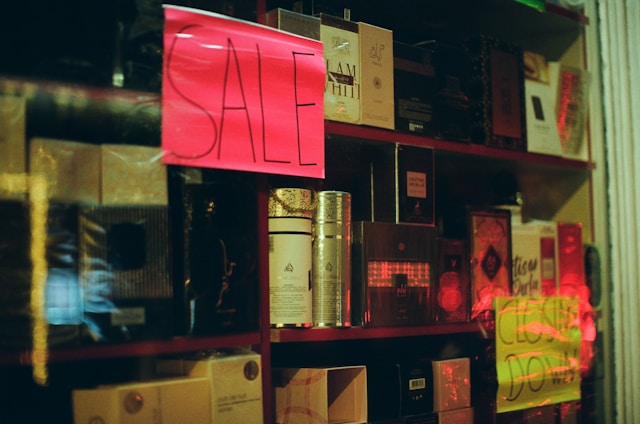
While designer perfumes are commonly found in large department stores, niche brands are often discovered through specialty boutiques, independent retailers, or curated fragrance platforms.
These environments encourage exploration and allow customers to take time discovering scents rather than quickly choosing from a crowded shelf.
Niche Doesn’t Mean Complicated
There’s a common misconception that niche fragrances must be bold, unusual, or difficult to wear.
In reality, many niche perfumes are intentionally designed to feel soft, elegant, and close to the skin. The goal is often to create a scent that enhances the wearer rather than dominating a room.
Many fragrance houses embrace this philosophy, crafting perfumes that focus on balance, subtlety, and emotional connection rather than projection alone.
"What makes a perfume niche isn’t just the brand name—it’s the creative freedom and artistry behind the scent."
Why Niche Fragrance Continues to Grow
Over the past decade, interest in niche perfumery has grown significantly as consumers look for more individuality in the products they wear.
Rather than choosing a scent that millions of others might wear, many fragrance lovers enjoy discovering perfumes that feel more personal and expressive.
For them, fragrance becomes less about following trends and more about finding something that truly resonates.
Final Thoughts
At its core, niche perfumery is about intentional design and creative freedom.
While mainstream fragrances aim to appeal to the broadest audience possible, niche perfumes often focus on artistry, storytelling, and individuality.
And for many fragrance lovers, that difference is exactly what makes niche perfumes so compelling.