Why Gourmand Fragrances Have Gotten So Much Better
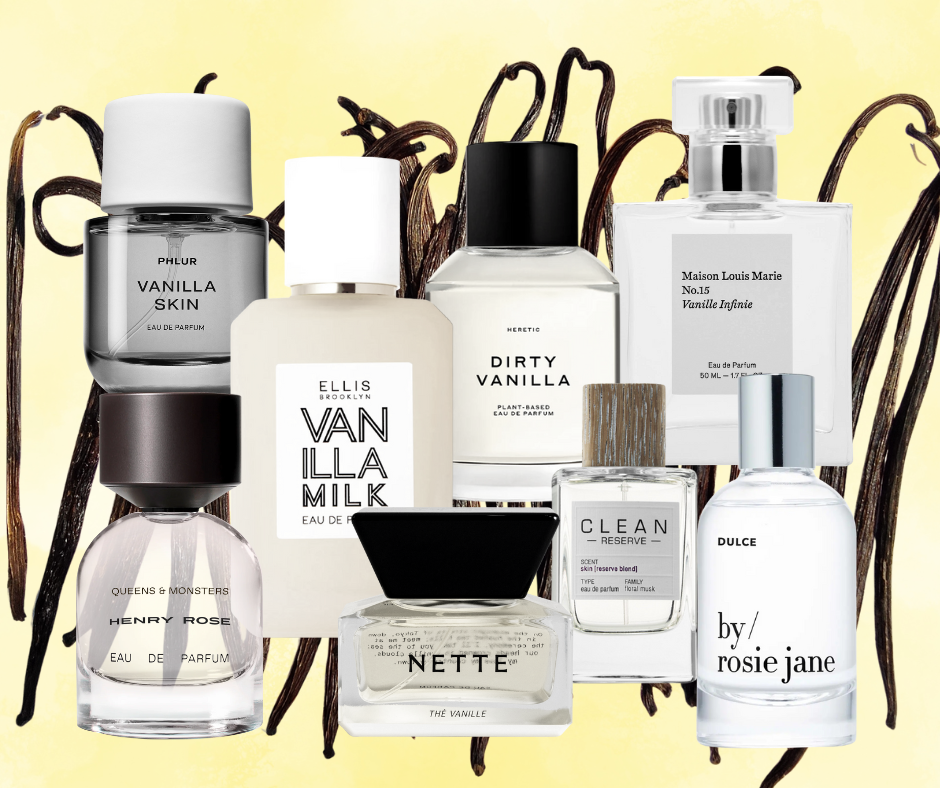
Modern gourmands trade sugar-rush sweetness for sophisticated lactonic depth and mineral complexity
The gourmand revolution isn't happening in pastry kitchens — it's unfolding in chemistry labs. Where once vanilla and caramel dominated dessert-inspired fragrances, today's intelligent gourmands build sophistication through lactonic molecules, roasted sesame accords, and mineral sweetness that speaks to evolved palates.
This shift represents more than trend cycling. It's a fundamental recalibration of how sweetness functions in modern perfumery, driven by both technical innovation and cultural sophistication.
Find Your Scent
Your skin has its own chemistry. Find the scent that works with it.
The chemistry tells the story. Traditional gourmands relied heavily on vanillin and ethyl maltol — molecules that deliver immediate, recognizable sweetness. Today's formulations incorporate gamma-lactones and delta-lactones, which provide creamy, textured sweetness without the sugar-rush intensity. These compounds create what perfumers call "architectural sweetness" — structured rather than cloying.
Consider the emergence of roasted sesame as a gourmand note. This isn't random experimentation. Sesame lactone delivers nutty warmth with inherent salinity, creating complex sweetness that reads as sophisticated rather than juvenile. It's sweetness with texture, depth, and most importantly, restraint.
The mineral sweetness trend represents another evolutionary leap. Here, perfumers use synthetic molecules like Ambroxan and Cashmeran to create sweetness that feels crystalline rather than syrupy. The production process for these molecules requires precise temperature control and timing, resulting in materials that cost significantly more than basic vanillin.

This evolution reflects broader cultural shifts in how we understand indulgence. Where 2010s gourmands celebrated excess — think cupcake and cotton candy inspirations — today's compositions embrace what food writers call "sophisticated comfort." It's the difference between a gas station donut and a perfectly executed mille-feuille.
Woody-gourmand hybrids exemplify this sophistication. By pairing lactonic sweetness with sandalwood or cedar molecules, perfumers create fragrances that feel indulgent without sacrificing elegance. The wood provides structural backbone while the gourmand elements add sensual warmth.
True sophistication in fragrance isn't about rejecting pleasure — it's about elevating it through intelligence and restraint.
The technical challenges are considerable. Creating these complex gourmand compositions requires masterful balance. Too much lactonic sweetness overwhelms, too little disappears entirely. Perfumers must calibrate each molecule's concentration while considering how they'll interact on different skin chemistries.
This evolution also responds to fragrance fatigue. After years of saccharine compositions flooding the market, consumers developed more sophisticated expectations. They wanted the comfort of gourmand fragrances without the juvenile associations. The industry responded with technical innovation.
For fragrance enthusiasts, this shift opens new territories of exploration. Intelligent gourmands offer the emotional comfort of sweet fragrances while satisfying more developed tastes. They're compositions you can wear to serious meetings without feeling inappropriate — sophisticated enough for professional environments, warm enough for intimate moments.
The future points toward even greater complexity. Early experiments with umami-inspired gourmands — incorporating mushroom and seaweed extracts — suggest perfumers will continue pushing boundaries. These aren't commercially viable yet, but they indicate industry commitment to expanding gourmand vocabulary beyond traditional dessert references.
MAIR's approach to gourmand elements reflects this philosophy of intelligent indulgence. Rather than overwhelming sweetness, we create fragrances that honor both sophistication and sensuality — because true confidence comes from choices that feel both indulgent and intentional.
Find Your Scent
Your skin has its own chemistry. Find the scent that works with it.