Discount Store Perfume vs Department Store Fragrance and How to Spot the Difference
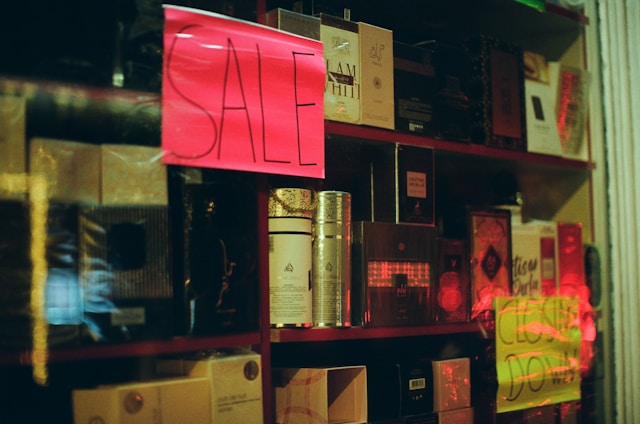
If you’ve ever admired a fragrance at a luxury department store and then spotted what seems like the same perfume at a discount retailer for a fraction of the price, you’ve probably wondered: Is it actually the same fragrance?
The truth is, not always. Even if the bottles look identical, a few important differences can affect what you’re really getting. Understanding these differences helps you shop smarter, with more confidence and clarity.
Why Perfume Ends Up at Discount Stores
Perfume often reaches discount stores through secondary distribution channels. This can happen when brands or distributors have excess inventory, discontinue certain products, or offload old stock to make room for new releases.
This doesn’t automatically mean the scent is counterfeit. However, it does mean the fragrance is no longer being sold through the brand’s intended retail environment—a distinction that can significantly affect freshness, quality, and authenticity.
What to Look for When Comparing Fragrances
1. Packaging Condition
Packaging tells part of the story. In department stores, fragrance boxes are sealed, pristine, and carefully presented. At discount stores, however, you might notice wear on boxes, missing cellophane, or slightly altered labels. While this doesn’t always affect the perfume inside, it can offer clues about how the product was stored, shipped, or handled.
2. Storage and Environment
Perfume is sensitive to light, temperature, and air exposure. Department stores typically maintain controlled environments that preserve a scent’s quality. Discount stores or mall kiosks may not have these same conditions, which means the fragrance could smell slightly off or perform differently than intended.
3. Batch Age and Freshness
Fragrances evolve over time—top notes that were once bright may fade, and a scent’s overall balance can shift. Department store perfumes are generally newer and closer to the manufacturer’s intended release cycle. At discount retailers, products may have spent years moving through various hands before reaching the shelf, affecting scent longevity and strength.
4. Source and Authenticity
Authorized retailers receive perfume directly from brands or verified distributors, ensuring that every bottle meets brand standards. Discount stores often source through third-party resellers, which makes it harder to trace origin or verify authenticity. Some bottles may be genuine but aged, while others could be imitations crafted to look real.
“If a fragrance isn’t sold through a brand’s official channels, it may look the same, but it won’t always be the same experience.”
MAIR Distribution and Authenticity Statement
Authentic fragrance brands, including ours, clearly state where their products are distributed. Checking a brand’s official website or list of authorized retailers is one of the easiest ways to confirm if a perfume is genuine.
Currently, MAIR fragrances are not distributed through discount stores. Purchasing directly from MAIR or confirmed retail partners ensures the scent, quality, and experience are exactly as designed by the brand.
How to Shop for Perfume with Intention
When choosing where to buy your perfume, consider more than the price tag. Ask yourself:
-
Where is this product coming from?
-
Has it been properly stored?
-
Is the retailer authorized by the brand?
-
How important is fragrance consistency to me?
Fragrance is deeply personal, and how it’s handled before it reaches your hands can influence how it smells and performs on your skin.
Final Thoughts
Finding the same perfume at different prices can be confusing, but the differences usually go beyond the label. They lie in the fragrance’s journey, how it was stored, sourced, and distributed.
When you understand that journey, you can choose a perfume that stays true to its original scent profile and delivers the experience you expect from the very first spritz.