Part 1: Why the French Needed Perfume (And Made It Famous)
Perfume's French Origins: A Stinky Beginning
Perfume didn't originate in France, but France turned it into a cultural obsession. Ancient Egyptians burned incense for gods. Arabs perfected distillation techniques. But 14th-century France desperately needed scents.
Why France Stank (And Everyone Knew It)
Medieval Europeans rarely bathed because doctors claimed water opened pores to disease. French nobility followed this dangerous advice. King Louis XIV bathed only twice in his lifetime. Courtiers wore the same clothes for weeks.
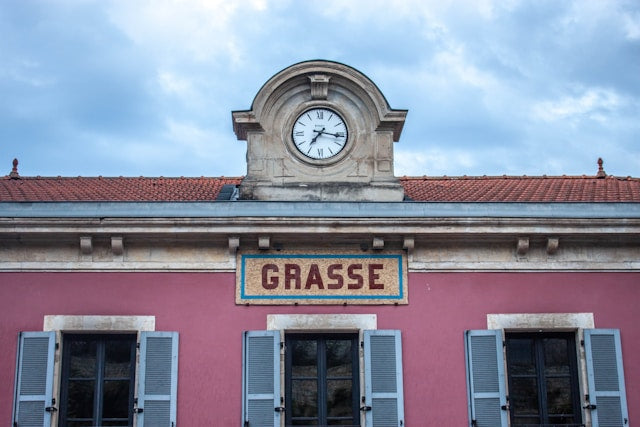
Grasse, the future perfume capital, smelled worst of all. Tanning leather for royal gloves filled the air with animal feces stench. Glovemakers soaked hides in urine, feces, and brains. Something had to mask that smell.
" French perfume was born from necessity. Medieval hygiene didn't exist, so scents became the only way to smell civilized."
The Queen of Hungary's Water (1370)
France's first perfume came from desperation. The Queen of Hungary's rosemary alcoholate masked body odor while claiming medicinal benefits. Knights returning from the Crusades brought Eastern spices and scent knowledge. Suddenly, scented gloves became fashionable.
Catherine de Medici and Renaissance Luxury
Italian queen Catherine brought her perfumer René the Florentine to the French court in 1533. He blended iris, jasmine, and civet for nobility. Grasse shifted from stinking tanneries to flower fields. Jasmine, rose, and lavender thrived in Provençal sun. By the 1600s, Grasse supplied Paris perfumers.
Louis XIV's "Perfumed Court"
The Sun King made scent mandatory. Rooms got fumigated daily. Courtiers doused themselves, furniture, and wigs in perfume. Versailles reeked of ambergris, musk, and orange blossom. Hygiene aversion made perfume an essential wardrobe item. France's scent industry exploded.
Birth of Modern French Perfumery
The 1770s Paris saw the first perfumeries open. L.T. Piver launched "À la Reine des Fleurs." Houbigant followed. Grasse flowers fed Paris noses. Guerlain's Jicky (1889) became the first modern perfume with synthetic notes. Hygiene habits slowly improved, but perfume remained a cultural cornerstone.
Perfume transformed France from Europe's stinkiest court to the scent capital. Part 2 explores signature scents to modern fragrance wardrobes.