Vintage Perfume Is Back: Here's Why It Will Cost You More Than You Think
Estate sales, auction houses, and collectors are driving unprecedented demand for discontinued formulations
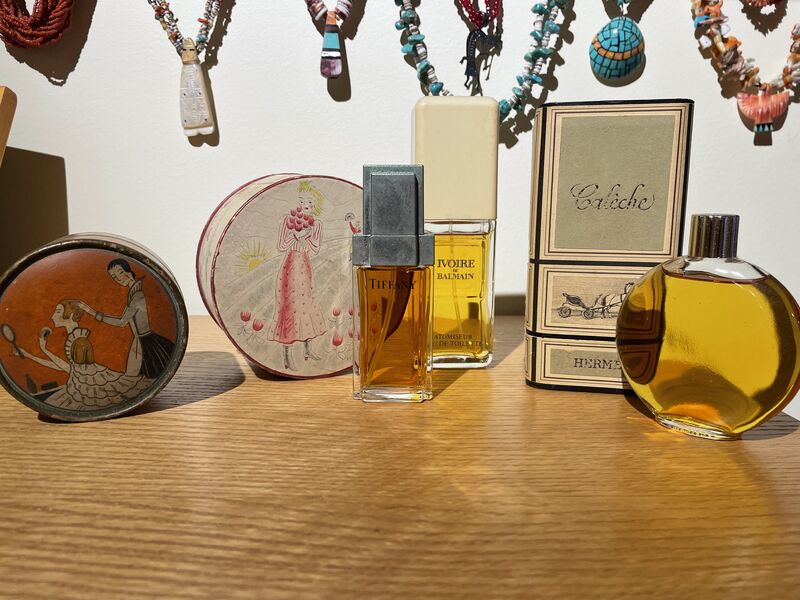
A 1970s bottle of Estée Lauder White Linen recently sold for $1,200 on eBay. Not a typo. Vintage perfume collecting has transformed from a nostalgic hobby to a serious investment market, with rare discontinued formulations commanding prices that would make luxury retailers envious.
The surge isn't just about scarcity. Modern fragrance enthusiasts are discovering that older formulations often contained higher concentrations of natural materials and fewer synthetic restrictions. Before IFRA regulations limited oakmoss, restricted certain musks, and reduced the use of allergen-heavy ingredients, perfumers worked with a broader palette of raw materials.
Auction houses report 400% increases in vintage fragrance lots over the past three years. Estate sale hunters arrive armed with fragrance databases, checking batch codes and reformulation dates. The most coveted pieces? Pre-1990s orientals with heavy animalic notes, vintage chypres with full oakmoss content, and any fragrance discontinued due to ingredient restrictions.
Storage becomes crucial when bottles reach collectible status. Heat, light, and air exposure can degrade even the most well-preserved vintage juice. Serious collectors invest in wine refrigerators and UV-protective storage systems. The complexity of fragrance preservation adds another layer to the investment equation.
Find Your Scent
While the industry chases trends, your signature scent is already waiting.
Take the Scent Quiz →
But here's where the market gets interesting. Authentication has become as important as a condition. Counterfeit vintage bottles flood online marketplaces, complete with aged-looking boxes and fabricated batch codes. Expert collectors examine everything from bottle glass thickness to label typography, developing forensic skills that rival art authentication.
The psychology driving this boom runs deeper than mere collecting. Vintage fragrance culture represents rebellion against modern reformulations and mass market homogenization. These bottles contain olfactory time capsules, preserving scent profiles that regulatory changes have made impossible to recreate.
Vintage perfumes aren't just collectibles, they're liquid proof that fragrance artistry once operated without compromise
Estate sale veterans know the golden rule: original boxes multiply value exponentially. A mint-condition 1980s fragrance in its original packaging can command 300% more than the same bottle without documentation. Provenance matters when bottles reach four-figure territory.
The irony isn't lost on industry insiders. While brands reformulate classics for cost and compliance reasons, collectors pay premium prices for the original expressions that those same brands once considered routine production runs. This disconnect between corporate strategy and consumer desire has created an entirely separate luxury market.
Smart collectors focus on discontinued lines from respected houses, particularly those known for high natural content and complex compositions. They're not just buying fragrance — they're investing in olfactory history that becomes rarer with every opened bottle.
At MAIR, we understand this hunger for authentic, uncompromised fragrance experiences. While we can't recreate the past, we're committed to crafting scents with the same intentionality and quality that makes vintage bottles so coveted. Because true luxury isn't about following trends, it's about creating something worth preserving.
Find Your Scent
While the industry chases trends, your signature scent is already waiting.
Take the Scent Quiz →