Why I Built MAIR to Stay Independent in an Industry Built to Acquire
As fragrance’s biggest players consolidate, independence is becoming less common and more consequential. For MAIR, it was always part of the plan.
The L'Oréal and Kering deal didn't surprise me. It confirmed something I'd been watching for years: the acquisition ecosystem doesn't just buy brands, it buys creative control, supply chains, and the futures of every decision a founder thought was theirs.
Independence in fragrance is getting harder to hold. And I built MAIR specifically so it wouldn't slip through my hands the moment the numbers got interesting to someone else.
This is worth talking about honestly, because the pressure isn't abstract. It's structural, it's accelerating, and it shapes what ends up in your bottle whether you realize it or not.
Not sure which MAIR fragrance is yours? The quiz takes 60 seconds.
What consolidation actually does to a fragrance
When a large conglomerate acquires a fragrance house, the first thing that changes isn't the name on the bottle. It's the supplier relationships. Ingredient sourcing gets routed through group purchasing agreements. Niche raw materials get traded for approved alternatives that perform better at scale. The jasmine absolute that cost three times the synthetic version? Gone within two product cycles.
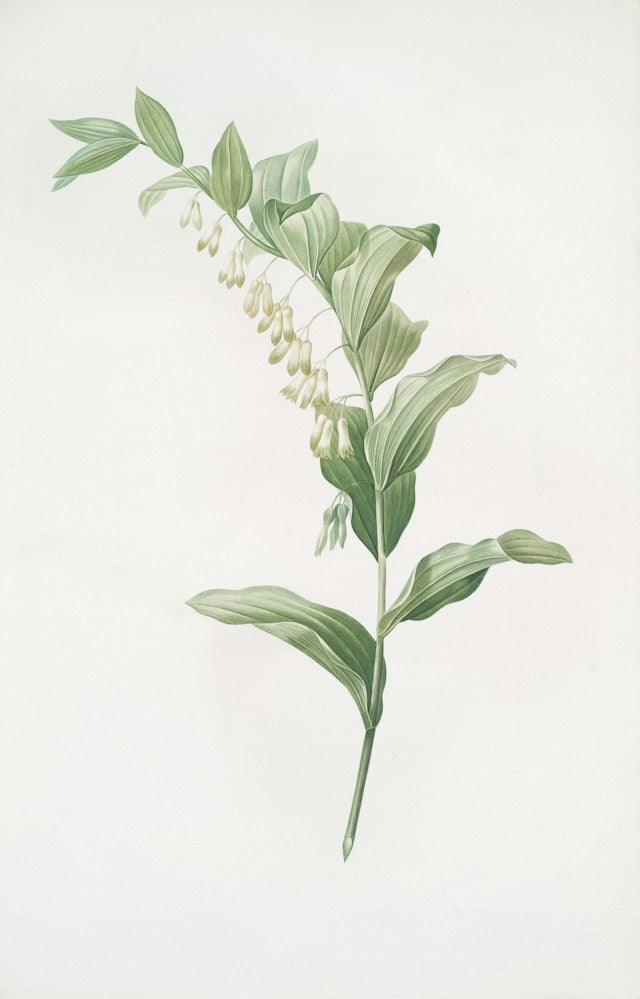
I've written before about the jasmine growers of Grasse and the generational knowledge sitting in those fields. Those relationships don't survive acquisition. Not because the new owners are careless, but because procurement logic doesn't leave room for a sixth-generation family farm when a synthetic alternative clears compliance faster.
The fragrance in your hands starts to shift before anyone announces a reformulation. It just quietly becomes something else.
And the creative decisions follow the same route. Launches get timed to quarterly reporting. Concentrations get adjusted to hit margin targets. The brief stops coming from a founder with a point of view and starts coming from a category management team with a spreadsheet.

Why I built MAIR to stay uncaptured
I didn't set out to make a statement about the industry. I set out to make fragrances that were genuinely mine. But staying independent has become, over time, one of the most deliberate choices I make, not a default position.
Every sourcing decision at MAIR is mine. Every concentration, every note selection, every bottle. That directness shows up in the work. What makes a fragrance genuinely expensive isn't the marketing spend or the celebrity endorsement. It's the cost of sourcing real ingredients from people who grow them, and refusing to swap them out when the margin gets tight.
The full story of how I got here is something I've shared inside the 10-year MAIR journey. It wasn't a straight line, and independence wasn't always the comfortable path. But it was always the honest one.
The fragrance industry doesn't need more scale. It needs more founders who refuse to hand over the brief.
What staying independent costs , and what it protects
Independence costs money. It costs time. It costs the kind of distribution shortcuts that come packaged inside acquisition deals. I don't have a parent company smoothing the way into department store floors or subsidizing a global ad campaign.
What I have instead is the ability to say no. No to diluting a formula to cut production costs. No to swapping a raw material because the approved alternative is cheaper. No to launching something I don't believe in because the calendar says Q4 needs a new SKU.
That freedom isn't free. But it's exactly what makes MAIR, MAIR.
What this means for the fragrance you wear
Consolidation is accelerating, and the independent fragrance ecosystem is getting smaller. Most of the brands that positioned themselves as alternatives to the mainstream over the last decade are now inside the same holding structures as the mainstream they claimed to reject.
This isn't cynicism. It's the structural reality of an industry where building a brand costs more than most founders can self-fund indefinitely. The pressure to sell is real, and I understand it.
But the woman who wears MAIR deserves to know that the fragrance she chose is still the fragrance I chose. That Remember When still opens with the bergamot and white musk I decided on. That Peony Silk still carries the floral concentration I fought for. That Acqua Di Lusso still moves the way water-inspired fragrances should move , clean, layered, and precise.
Fragrance is identity. And identity doesn't survive acquisition intact.
I built MAIR for women who know who they are, or who are in the process of finding out. That project requires honesty at every level. It starts with what goes into the bottle and it extends to every structural decision about who gets to make that call.
Right now, that person is me. I intend to keep it that way.
Not sure which MAIR fragrance is yours? The quiz takes 60 seconds.