A Perfumer Explains Why Citrus Notes Fade First
The science behind why citrus notes fade fast, and what that means for how you wear perfume
Citrus notes are the most universally loved opening in perfumery. They're also the first thing to disappear. That's not a flaw in your perfume , it's chemistry, and understanding it changes how you wear fragrance forever.
Every time someone says their perfume "stopped working," citrus is usually the culprit. Bergamot, lemon, grapefruit, neroli , these are the notes that hit brightest in the first spray and vanish within 30 to 90 minutes. Perfumers know this going in. The question is why it happens, and what you can do about it.
It starts with molecular weight. Citrus ingredients are built from small, lightweight molecules called monoterpenes. The most common one in citrus materials is limonene, found in everything from bergamot to sweet orange. Because these molecules are so small, they evaporate quickly at skin temperature. There's no heaviness to anchor them. They lift straight off your skin and into the air, which is exactly why a fresh citrus blast feels so immediate and clean.
Not sure which MAIR fragrance is yours? The quiz takes 60 seconds.
Heavier molecules, like the ones in woods, musks, and resins, take much longer to volatilize. Sandalwood, vetiver, labdanum , these sit close to skin for hours because their molecular structure is dense and complex. That's why a fragrance's base notes are still detectable six or eight hours later when the bergamot from the opening has long since gone.
This is the entire logic behind the pyramid structure in perfume construction. Top notes are the first impression, designed to be bright and immediate. Heart notes carry the character. Base notes seal the identity. Perfumers compose with evaporation rates in mind from the very first formula draft. Nothing is accidental.
Why Some Citrus Lasts Longer Than Others
Not all citrus materials fade at the same rate. Bergamot's volatility runs faster than yuzu. Cold-pressed lime disappears quicker than distilled lime. The extraction method and the specific molecular composition of the raw material both affect how long you'll actually smell it.
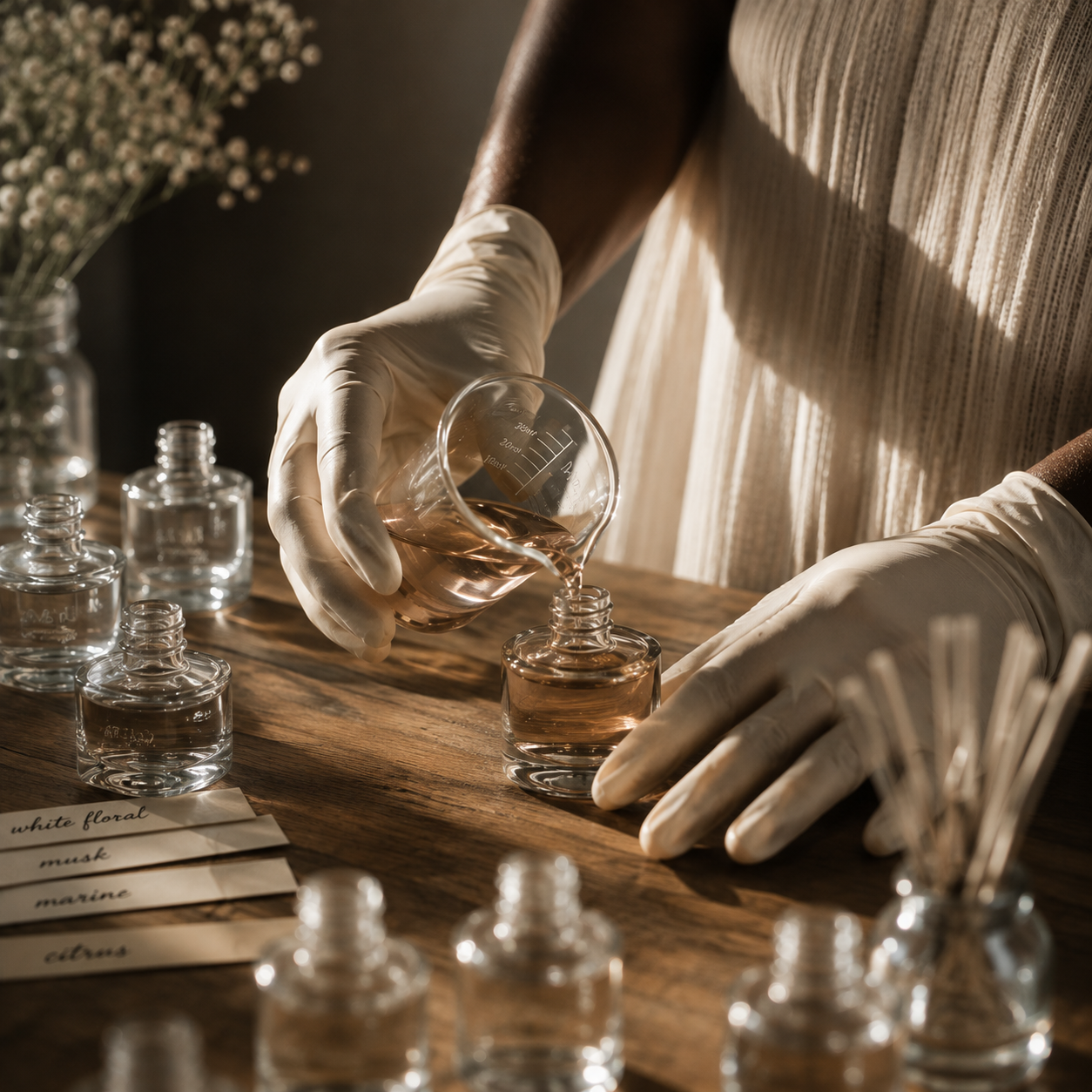
Perfumers also use fixatives to slow evaporation. A molecule like Ambroxan or a synthetic musk can create a kind of scaffolding that holds other ingredients in place slightly longer. Some houses use hedione, a jasmine-adjacent material with surprising tenacity, alongside citrus to keep the freshness alive past the opening phase. This is why two perfumes can both open with bergamot and perform completely differently on skin after two hours.

Concentration matters too. An Eau de Toilette with a citrus-forward formula will fade noticeably faster than an Eau de Parfum built on the same structure, simply because there's less raw material in contact with your skin. If you're chasing longevity in a citrus fragrance, concentration is the most direct lever you can pull.
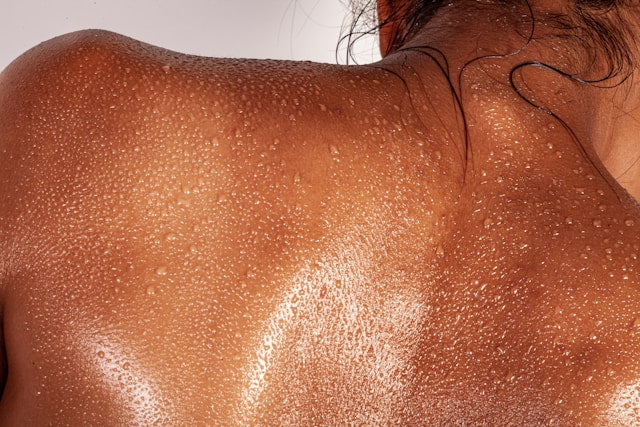
Skin chemistry also plays a role most people overlook. Dry skin holds less moisture and provides less of a surface layer for fragrance to cling to. Oilier skin types actually extend the life of top notes because the fragrance has something to bind to. Hydrating before you spray, even with an unscented lotion, gives citrus notes a fighting chance past that first hour.
Knowing why a note fades isn't a reason to be disappointed. It's an invitation to understand your fragrance on a deeper level than most people ever will.
How to Wear Citrus Smarter
Layering is the most underused tool for extending a citrus opening. A citrus-forward fragrance applied over a skin-scent base or a lightly musky body product creates depth that slows the top note's exit. Smart layering isn't about piling on scent , it's about engineering the way fragrance moves on your skin over time.
You can also reapply intentionally. A travel-size decant of your citrus fragrance refreshed at the two-hour mark costs nothing in effort and completely resets the experience. Perfumers themselves often spray multiple times throughout the day. Treating reapplication as part of the ritual rather than a sign of failure shifts the whole relationship.
The bigger idea here is this: fragrance isn't static. It moves, it evolves, it tells a story across hours. Citrus notes aren't weak because they fade. They're doing exactly what they were designed to do , open a door, create an impression, set the mood. What lives underneath them, in the heart and base, is where the real character of a perfume reveals itself.
Understanding your fragrance at this level is part of what MAIR stands for. Wearing scent with intention means knowing what's in it, why it behaves the way it does, and how to work with it rather than against it. That knowledge isn't just technical, It's power.
This is the first in a five-part series on the science behind how fragrance works — and why your skin tells a different story than the bottle does.
Not sure which MAIR fragrance is yours? The quiz takes 60 seconds.