AI in the Perfume Industry
Machine learning is reshaping perfumery from molecule discovery to consumer experience
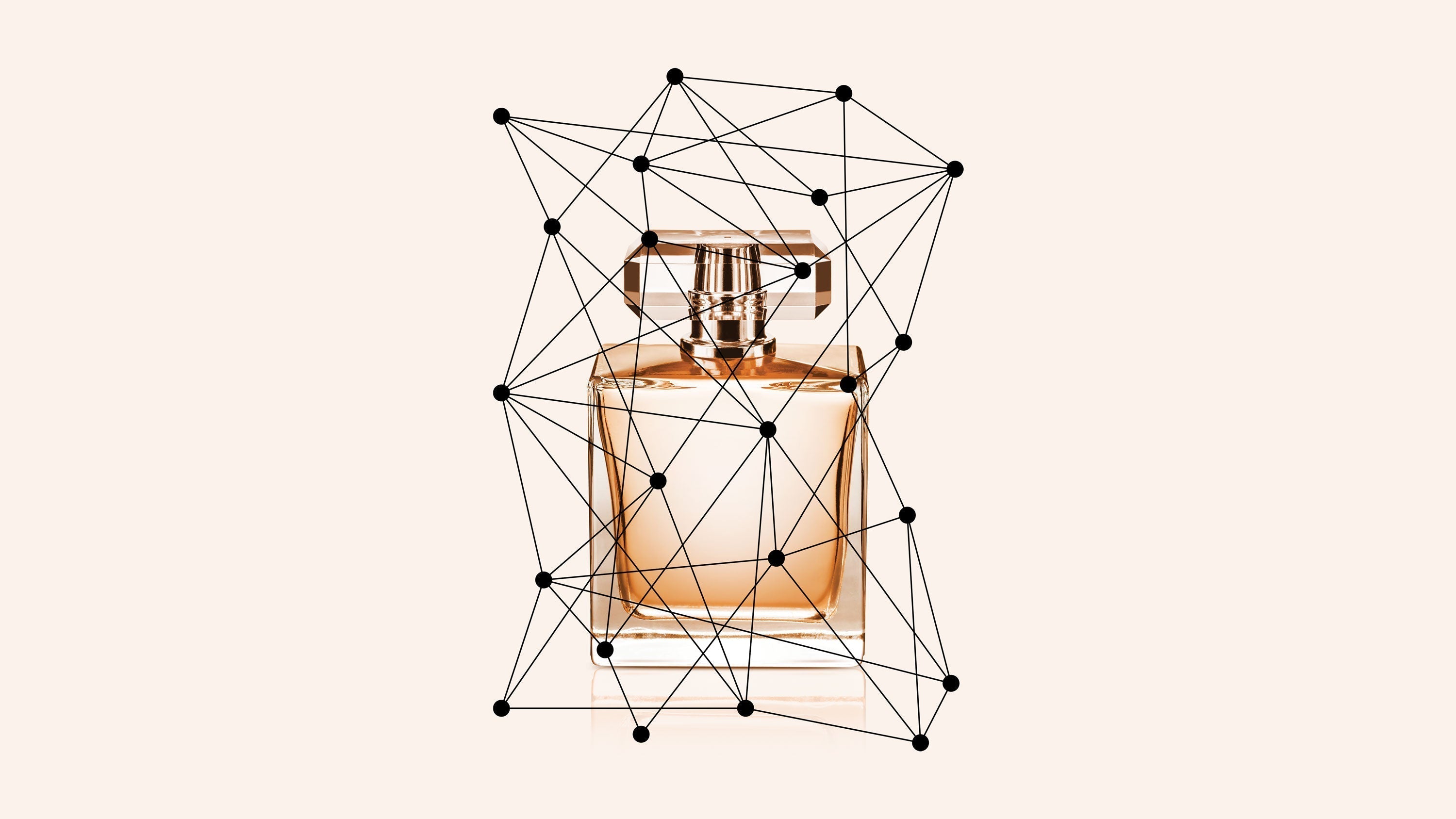
Silicon Valley's algorithms are infiltrating the most ancient of arts. AI isn't just recommending your next bottle; it's designing the molecules inside it, predicting what you'll crave before you know it, and fundamentally restructuring how fragrance houses operate.
The transformation runs deeper than tech-forward marketing campaigns. Machine learning models now analyze thousands of molecular structures to predict olfactory profiles, cutting traditional development cycles from years to months. Companies feed historical sales data, consumer preference surveys, and even social media sentiment into neural networks that suggest winning formulations.
This computational approach challenges perfumery's romantic mythology. Where master perfumers once relied purely on intuition and decades of training, algorithms can now identify patterns across vast datasets of successful fragrances. The machine doesn't smell, but it can predict what combinations of aldehydes, esters, and terpenes will resonate with specific demographics.
Traditional perfume creation involved countless iterations of testing and refinement. AI accelerates this process by eliminating unlikely combinations before they reach the lab. Some platforms can generate hundreds of potential formulas based on a brief "fresh citrus for summer mornings" and rank them by predicted market appeal.
Find Your Scent
While the industry chases trends, your signature scent is already waiting.
Take the Scent Quiz →
The consumer-facing applications are equally transformative. Personalized fragrance algorithms analyze your purchase history, skin chemistry data, and stated preferences to curate bespoke recommendations. Advanced systems incorporate weather data, occasion tracking, and mood indicators to suggest the optimal scent for your exact circumstances.
But AI's most profound impact might be democratizing access to fragrance expertise. Independent brands can now compete with heritage houses by leveraging computational tools that were previously exclusive to major corporations. Small-batch perfumers use AI to optimize their formulations without the massive R&D budgets that traditionally dominated the industry.
The future of fragrance isn't human versus machine, it's the poetry that emerges when computational precision meets olfactory intuition.
Yet questions persist about authenticity and artistry. Can an algorithm capture the emotional resonance that makes a fragrance memorable? The most successful AI implementations seem to enhance rather than replace human creativity, providing tools that amplify a perfumer's vision rather than supplanting it entirely.
Future fragrance trends will likely emerge from this hybrid approach, computational efficiency guided by human sensibility. The machine excels at optimization, but the perfumer understands desire.
The industry's AI adoption reflects a broader shift toward data-driven personalization across luxury goods. The economics of perfume are being rewritten as brands reduce development costs while increasing customization capabilities.
What remains unchanged is fragrance's fundamental purpose: to express identity and enhance presence. Whether crafted by algorithm or artisan, the perfect scent still serves as an invisible signature of intentional femininity and inner power. Technology may reshape how we discover and create fragrance, but it can't replicate the deeply personal connection between scent and self.
Find Your Scent
While the industry chases trends, your signature scent is already waiting.
Take the Scent Quiz →