How Fragrance Trends Start
Inside the invisible forces that shape what the world wants to smell like next
Fragrance trends don't announce themselves. They emerge quietly from the intersection of culture, mood, and what people are reaching for without quite knowing why. By the time the industry names it, the woman who wears MAIR has already been living it.
Understanding how these trends begin means looking beyond what's happening in perfumery labs and into the broader cultural machinery that shapes desire itself.
The Cultural Catalyst Effect
Most fragrance trends start as cultural reactions, not market research findings. The recent obsession with vanilla-forward gourmands didn't emerge from focus groups; it reflected a collective craving for comfort during uncertain times. Similarly, the clean fragrance movement wasn't born in marketing meetings but grew from shifting attitudes about wellness and transparency.
These cultural catalysts often originate in unexpected places. Fashion week can spark interest in powder-dry aldehydes. A viral TikTok about childhood memories can resurrect interest in nostalgic florals. Even geopolitical shifts influence olfactory preferences, economic uncertainty typically drives demand for comforting, familiar scent families.
The key insight here is timing. Fragrance trends don't create cultural moments; they respond to them with remarkable precision.
Find Your Scent
While the industry chases trends, your signature scent is already waiting.
Take the Scent Quiz →
The Influence Network
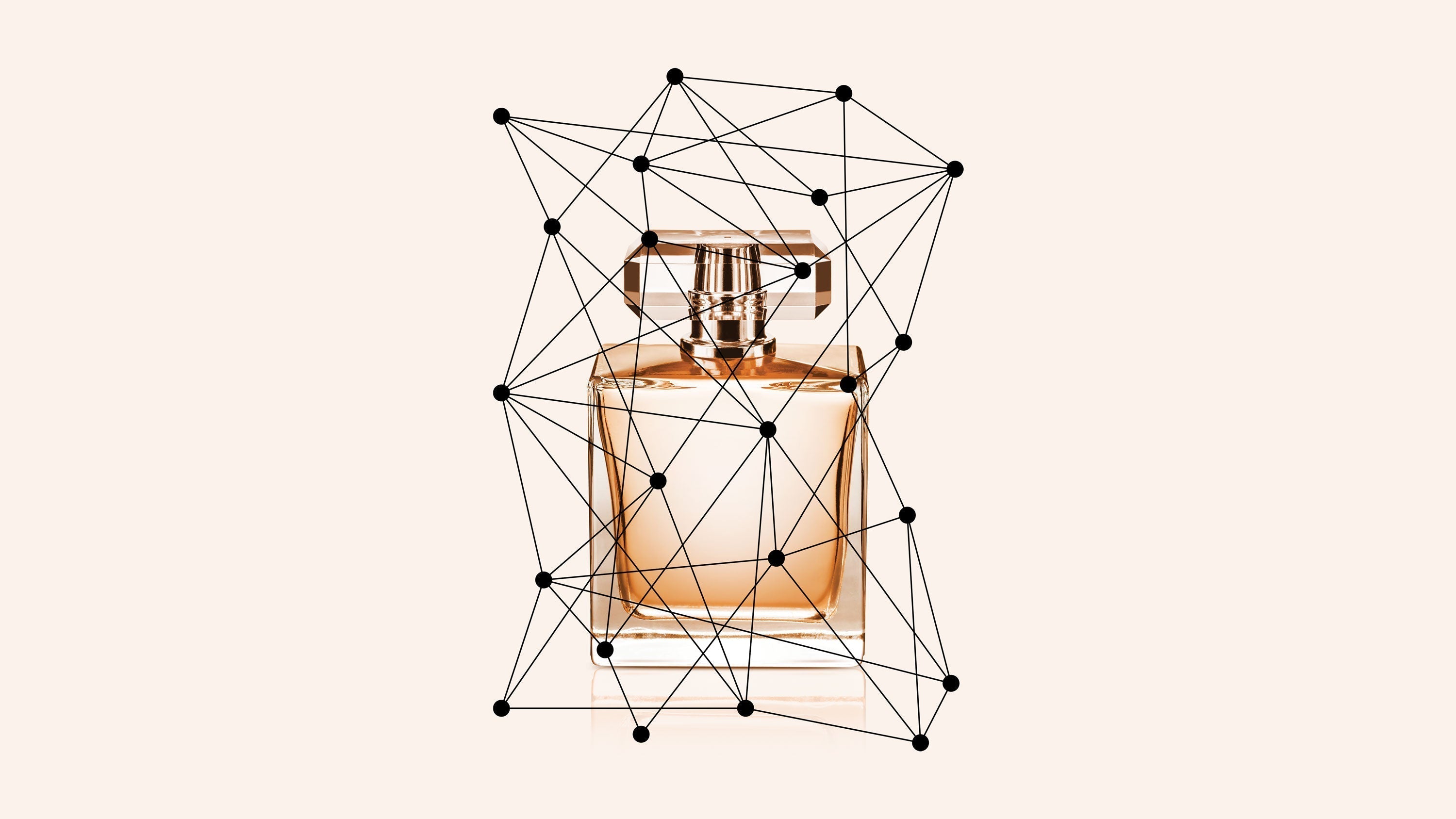
Behind every fragrance trend sits an intricate network of influence that most consumers never see. Perfumers, fragrance houses, and marketing teams form the visible layer, but the real power often lies with trend forecasters, cultural analysts, and even art directors who shape the aesthetic context around scent.
These influencers don't work in isolation. A single conversation between a perfumer and a fashion editor can plant the seed for an entire olfactory movement. Fashion runways increasingly use scent to reinforce their seasonal narratives, creating cross-pollination between textile and olfactory trends.
Fragrance trends don't create cultural moments — they respond to them with remarkable precision, transforming collective feelings into bottles we can wear
Social media has accelerated and democratized this influence network. A fragrance enthusiast with the right aesthetic sense can now shift market preferences faster than traditional gatekeepers. But this speed comes with volatility trends that once had five-year lifespans now burn bright and fade within seasons.
The Economics of Desire
What many don't realize is how deeply economic factors shape fragrance trends. The cost structure of perfumery means that certain ingredients become trendy partly because they're economically viable to scale. The recent boom in synthetic musk wasn't just about their olfactory properties; it was about creating luxury experiences at accessible price points.
Raw material availability also drives trends in ways that consumers rarely consider. A poor jasmine harvest in Grasse can shift the entire industry toward other florals. Climate change is already reshaping which natural ingredients will define future trends, making sustainability not just an ethical choice but an economic necessity.
The Psychology of Adoption
The most successful fragrance trends tap into psychological needs that transcend scent itself. They offer identity, belonging, or transformation promises that go far beyond smelling good. This is why certain fragrance families gain cult followings while others, despite superior craftsmanship, never find their audience.
The adoption curve for fragrance trends follows predictable patterns. Early adopters are typically drawn to novelty and exclusivity. Mass adoption happens when the trend connects with broader emotional or social needs. And decline often begins when the scent becomes too accessible, losing its aspirational edge.
Understanding these patterns reveals why some trends have lasting power while others prove ephemeral. The trends that endure are those that successfully encode cultural values into olfactory experiences, creating not just fragrances, but entire ways of being in the world.
At MAIR, we've observed this dynamic firsthand. True fragrance innovation isn't about chasing trends, it's about understanding the deeper currents that create them. The most powerful scents don't just capture what people want to smell like; they capture who they want to become.
Find Your Scent
While the industry chases trends, your signature scent is already waiting.
Take the Scent Quiz →