Are Store Testers Sanitary? What You Should Know

Walk into almost any department store beauty hall, and you’ll find rows of open makeup palettes, lipstick testers, and fragrance bottles waiting to be sampled. These beauty “demos” have become so normal that most shoppers rarely question them.
But are testers actually sanitary? And how did sampling become such a central part of the beauty experience in the first place?
Understanding where testers came from (and how to use them safely today) can completely change how you approach discovering makeup and fragrance.
Why Beauty Testers Exist in the First Place
The modern beauty tester traces back to early 20th-century department stores, when brands realized customers were far more likely to purchase products they could experience firsthand.
Fragrance houses were among the first to embrace sampling because scent cannot be understood visually. Unlike clothing or accessories, perfume must interact with skin chemistry to be fully appreciated.
Department stores transformed beauty counters into experiential spaces where customers could touch, try, and explore before committing to a purchase. Sampling removed risk for shoppers and increased confidence in buying premium products.
Over time, testers became an expectation rather than a luxury, especially in fragrance, where discovery is deeply personal.
Are Makeup Testers Sanitary?
The honest answer: they can be — but often depend on how they’re used.
High-traffic environments introduce several hygiene risks:
-
Multiple users applying products directly to skin
-
Brushes or applicators reused without cleaning
-
Exposure to air, bacteria, and environmental contaminants
-
Improper storage or expired demo products
Many retailers provide disposable applicators and sanitation tools, but usage varies widely between locations and customers.
Dermatologists generally recommend avoiding direct application of shared products onto sensitive areas like the eyes or lips.
How to Use Makeup Testers More Safely
If you choose to test products in-store, small habits make a significant difference.
Use disposable applicators whenever available rather than applying products directly from the tester.
Sanitize surfaces first. Alcohol sprays provided at counters are intended to disinfect powders and packaging before use.
Test products on the back of your hand or wrist instead of your face whenever possible.
Avoid double dipping. Once an applicator touches skin, it should not return to the product.
Pay attention to product condition. If a tester looks dried out, separated, or heavily used, skip it.
These precautions reduce risk while still allowing you to explore products in person.
Fragrance Testers: A Different Experience Entirely
Fragrance testing operates differently from makeup because perfume is not applied directly from the bottle onto shared surfaces.
Most fragrance counters encourage spraying onto blotter cards first, allowing you to evaluate scent safely before deciding whether to try it on skin.
However, even fragrance sampling benefits from a more intentional approach.
Spraying multiple scents quickly can overwhelm the nose, making it difficult to distinguish notes or understand how a fragrance evolves over time.
Professional perfumers recommend testing no more than three scents per visit and allowing each fragrance to develop for at least 20 minutes.
"Over time, testers became an expectation rather than a luxury, especially in fragrance, where discovery is deeply personal."
Why Sampling Still Matters in Beauty Today
Despite online shopping growth, sampling remains essential because beauty is sensory.
Texture, scent, and emotional response cannot be fully communicated through images alone.
What has changed is consumer awareness. Today’s shoppers are more informed about hygiene, ingredient transparency, and personal wellness than ever before. This shift is reshaping how brands think about discovery, moving away from crowded counters toward more thoughtful, intentional sampling experiences.
A More Personal Way to Discover Fragrance
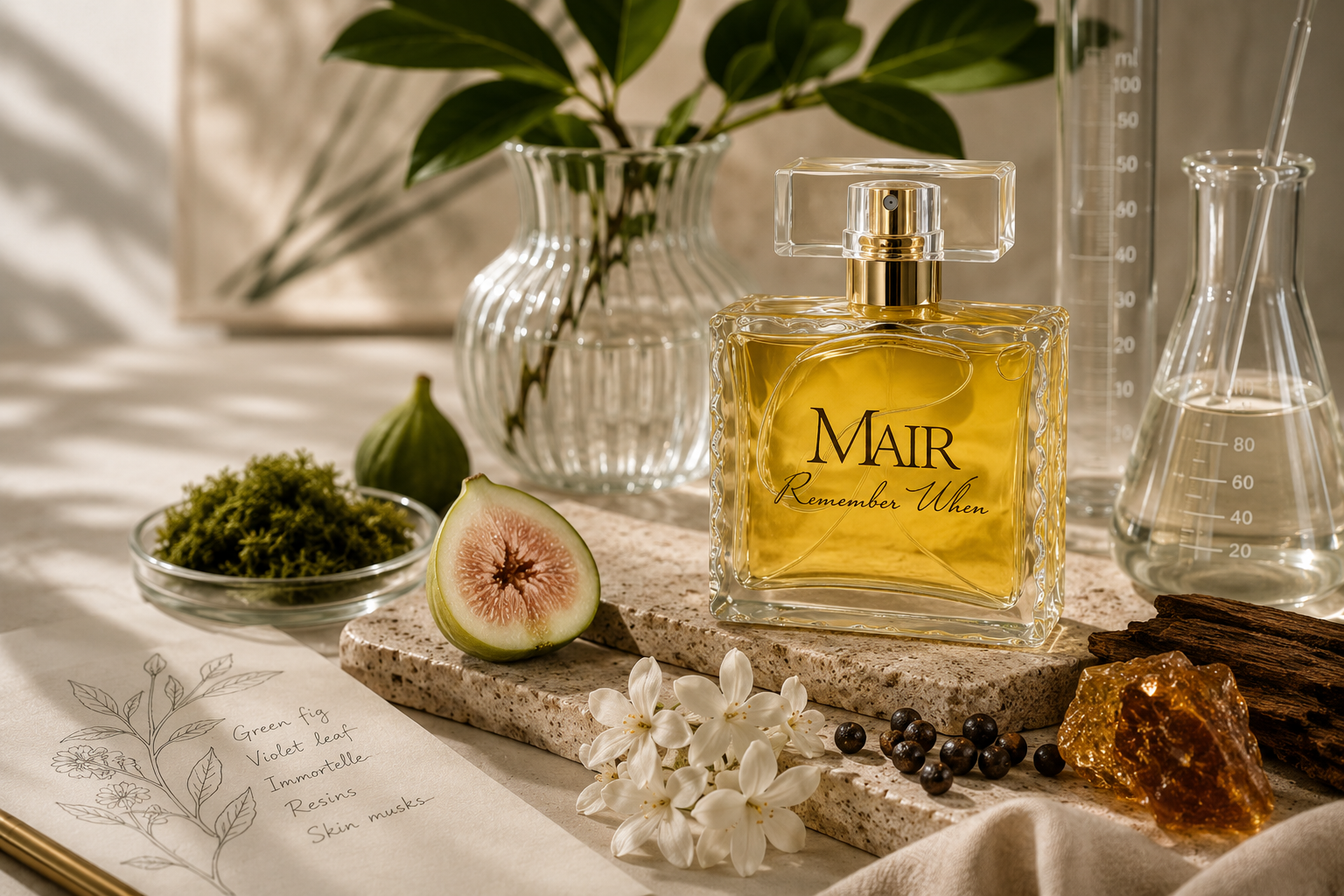
At MAIR, fragrance discovery is approached differently.
Rather than overwhelming shoppers with dozens of open bottles, the focus is on creating softer, more intimate scent experiences designed to be explored at your own pace. Sampling becomes less about impulse testing and more about understanding how a fragrance makes you feel over time.
If you’re exploring scent for the first time or rediscovering it more intentionally, starting with a curated fragrance experience (like our fragrance discovery kit) can help you understand which notes truly resonate with you.
The Takeaway
Beauty testers were created to make luxury products more accessible and experiential. When used thoughtfully, they still serve that purpose today.
But the most meaningful beauty discoveries rarely happen in rushed moments at crowded counters. They happen when you slow down, pay attention, and allow yourself to experience products intentionally.
Sometimes the difference between liking a product and loving it is simply giving yourself the space to notice.