What Happens When Your Favorite Beauty Brand Partners with Private Equity?
You've built a loyal relationship with your favorite indie perfume house, skincare line, or niche beauty brand because their scents are unique, their formulas feel artisanal, and their story feels deeply personal. Then the news drops that a private equity firm has taken a stake or full ownership, and panic sets in because you're worried this means mass-produced mediocrity ahead.
Typically, people assume quality tanks after such a deal, but the reality is more nuanced because private equity partnerships can supercharge growth or dilute the magic that drew you in. Let's break down what usually happens, why quality often dips (though not always), and how you can tell if your faves are safe.
The Appeal of Private Equity for Indie Brands
Indie brands explode on TikTok and Sephora shelves, but scaling gets tough when founders run out of cash for factories, distribution, and marketing. Private equity firms step in with millions to fuel global growth while promising to preserve the brand's edge.
For the brand, it's a lifeline against giants like Estée Lauder. For PE, it's a high-growth beauty bet with profitable exits in 3-7 years. Everyone wins...on paper.
What Typically Changes Post-Partnership
Quality doesn't plummet overnight, but predictable shifts happen because formulas get tweaked for cost and scale. Indie makers used to hand-blend small batches with rare naturals, but PE pushes cheaper synthetics or fillers to hit mass production, so your cult-favorite perfume might smell 90% the same while that distinctive 10% edge disappears.
Supply chains also standardize as artisanal ingredients from small farms give way to bulk suppliers, which risks consistency. Innovation slows too because risky, experimental scents take a backseat to proven sellers that maximize margins, and packaging and marketing pivot as fancy glass bottles become lighter plastic while storytelling shifts from founder passion to corporate buzzwords.
The result is that the brand grows revenue 5-10x and lands in Ulta and Nordstrom, but longtime fans start whispering that it's not the same anymore.
Why Quality Often Goes Down (The Harsh Reality)
PE firms prioritize returns, typically aiming for 20-30% annually, which means they focus on cost-cutting by swapping ingredients for equivalents that save 20-30% without noticeable changes (or so they hope). There's also margin pressure that pushes higher-volume, lower-price SKUs over niche heroes, and leadership churn happens as founders exit with fat checks while new execs from big beauty prioritize spreadsheets over scent artistry.
In real talk, quality typically declines subtly over 1-3 years, and fans notice first because the sillage weakens and the dry-down flattens. Data from beauty trackers even shows that 60-70% of PE-backed indies lose their cult status post-deal.
“Private equity doesn't always kill quality. It can scale it, but at the cost of the indie soul that made you love the brand.”
But It's Not Always Doom—When PE Works
Not every story ends badly because some indies thrive when strong contracts protect core formulas, PE funds R&D that leads to new hits, and founders retain creative control (which is rare but golden). Examples like Glossier, with its PE-funded growth without total dilution, or Ouai, which scaled elegantly, show that it's possible. The key lies in brands that bake quality safeguards into the deal from the start.
Red Flags: Spotting Trouble Early
You should watch for sudden price hikes without formula upgrades, stock shortages followed by reformulated relaunches, generic social media vibes replacing founder posts, and shelf space in big-box stores while online reviews complain of a changed scent.
The Bottom Line for Fragrance Lovers
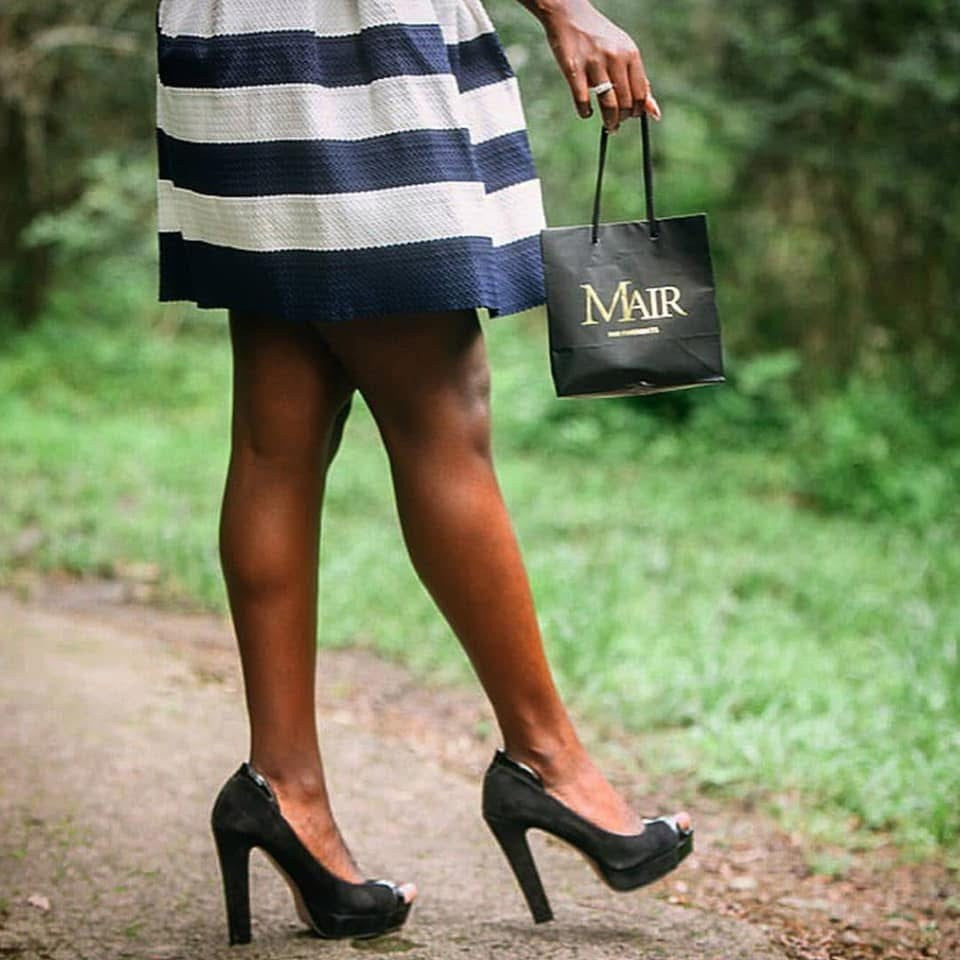
Private equity isn't evil because it's just business, and it lets emerging brands like MAIR become more available in the market and innovate at scale. But yes, quality often dips as soul meets spreadsheet.
So what can you do to prevent this from happening? Though we don't think it's preventable (it depends on the ambition of the founder and those around him/her). Support indie brands before private equity gets involved if you want pure, artisanal quality. Once the deal happens, buy a backup bottle to compare—sometimes the magic evolves, sometimes it fades.