How Perfume Went From an Ancient Ritual to a Signature Scent
From Sacred Smoke to Signature Scent
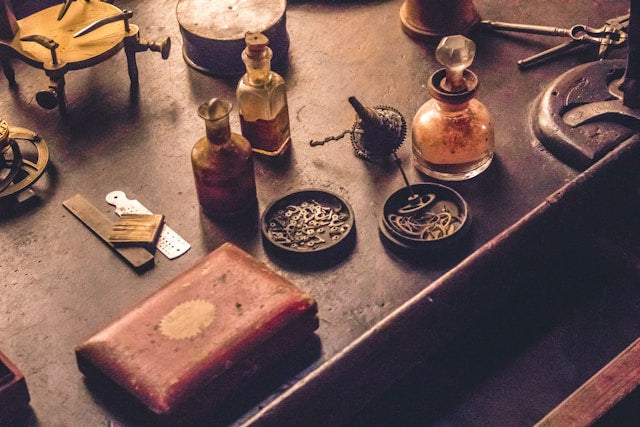
Ancient perfumes were created for gods, kings, and rituals; modern perfume is created for everyday people who want to feel seen, remembered, and emotionally grounded. The shift from sacred incense to personal fragrance began when perfumers started bottling scent in portable forms, moving it from temples and palaces onto the skin.
As alcohol distillation advanced, fragrances became lighter, more diffusive, and easier to wear daily instead of only on ceremonial occasions. This is where the idea of a personal “signature scent” slowly took shape, turning perfume into a quiet extension of style and self‑expression.
How Europe Redefined Perfume
While the earliest fragrances came from Mesopotamia, Egypt, and the Indus Valley, Europe later refined how perfume was composed, marketed, and worn. Medieval and Renaissance perfumers in Italy and France embraced distillation techniques learned from the Islamic Golden Age, unlocking more precise, long‑lasting scents.
France, and especially regions like Grasse, evolved into a global center for fragrance, building an industry around flowers, extraction methods, and artistic blending. As perfume houses emerged, fragrance shifted from a medicinal or religious object into a crafted luxury accessory tied to fashion, status, and taste.
“Modern perfume is not just about notes on a fragrance wheel; it is about how a scent writes itself onto your skin and becomes part of your story."
The Birth of Modern Fragrance Structures
Modern perfumes usually follow a recognizable structure of top, heart, and base notes, creating a scent that unfolds over hours instead of all at once. Top notes give the first impression, heart notes carry the main character, and base notes anchor everything with depth and longevity.
This layered structure mirrors how people experience connection in real life: first impressions, deeper discovery, and finally, the lasting imprint left behind. Understanding that journey helps you read a perfume like a story instead of just a list of ingredients. It is also why the same fragrance can feel airy on one person and intimate on another, depending on skin chemistry and environment.
What Really Makes a Perfume “Modern”?
What defines a modern fragrance is less about inventing brand‑new ingredients and more about reimagining how familiar notes are composed and experienced. Clean musks, airy florals, and transparent woods now coexist with richer resins and ambers, giving perfumers more room to create scents that feel lived‑in rather than “done up.”
There is also a growing focus on skin‑like, intimate perfumes that sit closer to the body, designed to complement you instead of entering the room before you do. This approach treats fragrance as an extension of skincare and wellness, prioritizing comfort, wearability, and emotional connection over loud projection.
How to Choose Your Everyday Signature Scent
Choosing a modern signature scent starts with how you want to feel, not just which notes you think you “should” like. Ask whether you want your fragrance to be a soft aura for yourself, a subtle introduction to others, or a bold statement that defines your presence in a room.
Then, pay attention to how a perfume evolves on your skin from first spray to dry‑down, giving it at least a few hours before deciding if it is truly you. The right everyday fragrance will feel effortless: it moves with your routine, layers with your body products, and becomes the quiet constant in your changing seasons. Read the first article in this series.