K-beauty has exploded in the US, captivating beauty lovers with innovative, affordable products that compete with high-end skincare. It is reshaping how many people think about quality, value, and what is worth a luxury price tag.
What K-beauty Is
K-beauty refers to skincare and makeup developed in South Korea, rooted in a culture that prioritizes healthy, hydrated, and luminous skin. Instead of quick fixes, K-beauty focuses on gentle routines, layering lightweight products, and long-term skin health.
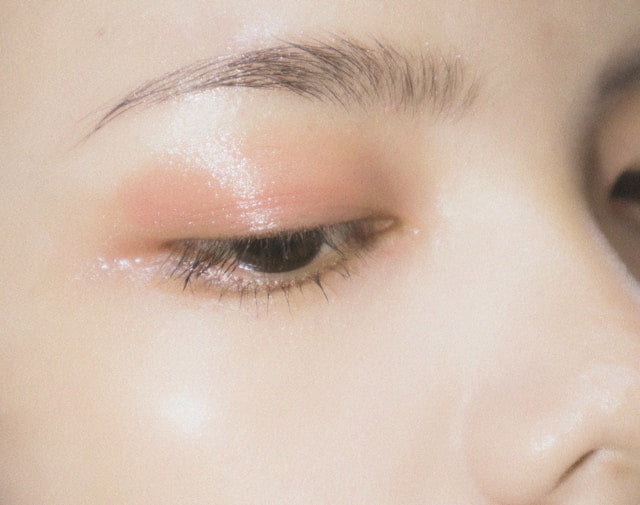
Key elements include double cleansing, toners and essences, targeted serums, sheet masks, and sun care, all designed to work together in a customizable routine. The goal is often described as “glass skin,” where skin looks smooth, clear, and light reflecting.
How K-beauty Got Popular in the US
K-beauty first gained attention through K-dramas and K-pop, where fans noticed the glowing, almost poreless complexions of their favorite stars. Curiosity quickly turned into demand as early adopters began importing products and sharing their results online.
From there, social media and influencer culture accelerated everything. YouTube reviews, TikTok routines, and “shelfie” posts helped normalize ten-step skincare and introduced US consumers to concepts like essences, sleeping masks, and snail mucin. Retailers responded by dedicating entire sections to Korean brands and by partnering with them on exclusive launches.
"K-beauty has quietly rewritten the rules of luxury, offering advanced, thoughtful formulas at accessible prices and changing what beauty lovers expect from their routines."
Prestige Quality Without Prestige Prices
One of the biggest reasons K-beauty thrives in the US is its balance of quality and price. Many Korean products use advanced formulations, gentle actives, and thoughtful textures while still sitting at an accessible price point. Consumers often discover that a hydrating toner, serum, or moisturizer from a Korean brand can perform similarly to a prestige product that costs significantly more.
This has created a quiet revolution in how shoppers evaluate “value.” Instead of assuming that a higher price means better results, people are comparing ingredients, textures, and real performance. K-beauty has trained an entire generation to expect serious formulas, fun textures, and visible results without needing to spend luxury-level money every time.
Does the Craze Include Fragrance?
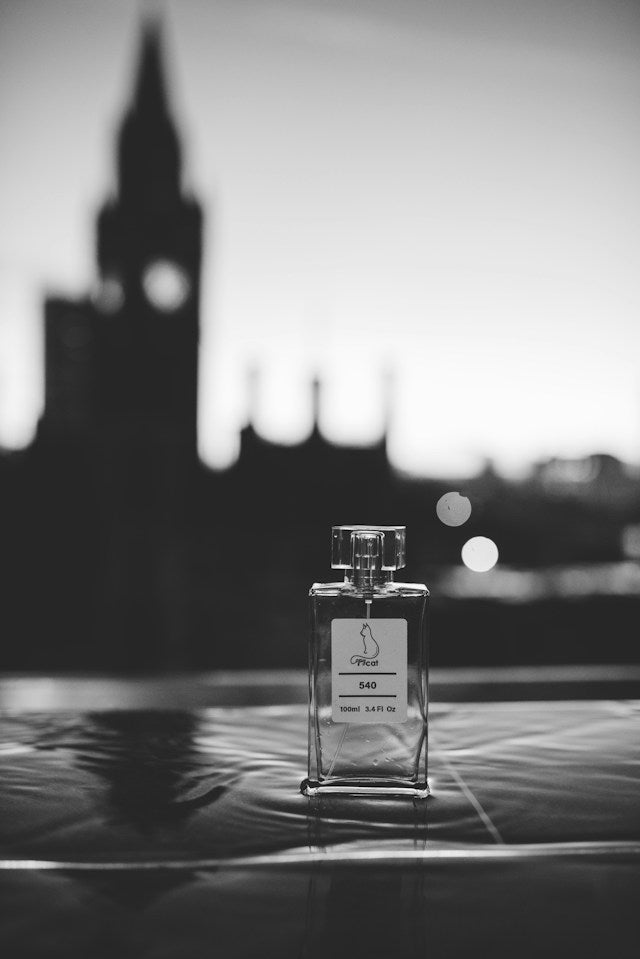
So far, the K-beauty wave in the US is still mostly about skincare, with color cosmetics playing a strong supporting role. Fragrance has not experienced the same explosive growth under the K-beauty umbrella, at least not in the way serums and sunscreens have.
There are Korean fragrance brands and scented body products that have fans in the US, but they tend to lean into subtle, fresh, and skin-like scents rather than bold, statement-making perfumes. The cultural emphasis in K-beauty is still firmly on skin health, barrier support, and glow, which keeps skincare at the center of the conversation.
The Bigger Picture for Beauty Lovers
K-beauty's rise proves that innovation and quality can thrive without sky-high prices, challenging the prestige model across beauty. While fragrance may trail behind for now, its subtle scents hint at future crossovers, especially as skincare and scent continue to blur. For fragrance enthusiasts, this shift invites a fresh look at value, much like seeking indie scents that deliver artistry without excess. The K-beauty lesson is clear: true beauty elevates through smart routines and smart choices, no matter the category.