What Comes After Amberwood? The Fragrance Trends That Could Define the 2030s
The internet has already buried amberwood, and amberwood is still in its prime. That's how fragrance culture works now: the community names an era, dissects it, predicts its death, and starts sketching the next one before the current wave has even crested.
On Fragrantica forums and fragrance subreddits, a low-grade debate has been running for months. What replaces the amberwood era? What comes after the decade of skin-close gourmands, synthetic woods, and the warm-amber-everything aesthetic that defined the 2010s and carried well into the 2020s? The answers being floated are fascinating, occasionally unhinged, and probably more accurate than any trend report a corporate house will publish this year.
Understanding where fragrance is going requires understanding how these cycles actually move. They don't follow fashion seasons. They follow cultural mood shifts, raw material innovations, and the slow accumulation of collective fatigue.
Not sure which MAIR fragrance is yours? The quiz takes 60 seconds.
How fragrance eras actually form
Every dominant olfactory era starts as a niche obsession before it becomes a mainstream signature. The aquatic wave of the 1990s began in research labs and yacht-adjacent marketing briefs before it became the scent of every high street. The gourmand revolution of the early 2000s felt radical until it was everywhere. Amberwood itself, with its dense, resinous, skin-melting warmth, felt like a revelation the first time you smelled it. By the third flanker it became wallpaper.
The community's fatigue with a note or family is usually the earliest signal that something is shifting. When enthusiasts start mocking the thing they once loved, the mainstream is still three years behind. That gap is exactly where the next era quietly takes root.
The fragrance community's relationship with designer houses tracks this pattern almost perfectly. The community leads, the industry follows, and by the time the industry catches up, the community has already moved on.
What the next era is actually building toward
Several currents are running simultaneously right now, and any one of them could consolidate into the defining aesthetic of the early 2030s.
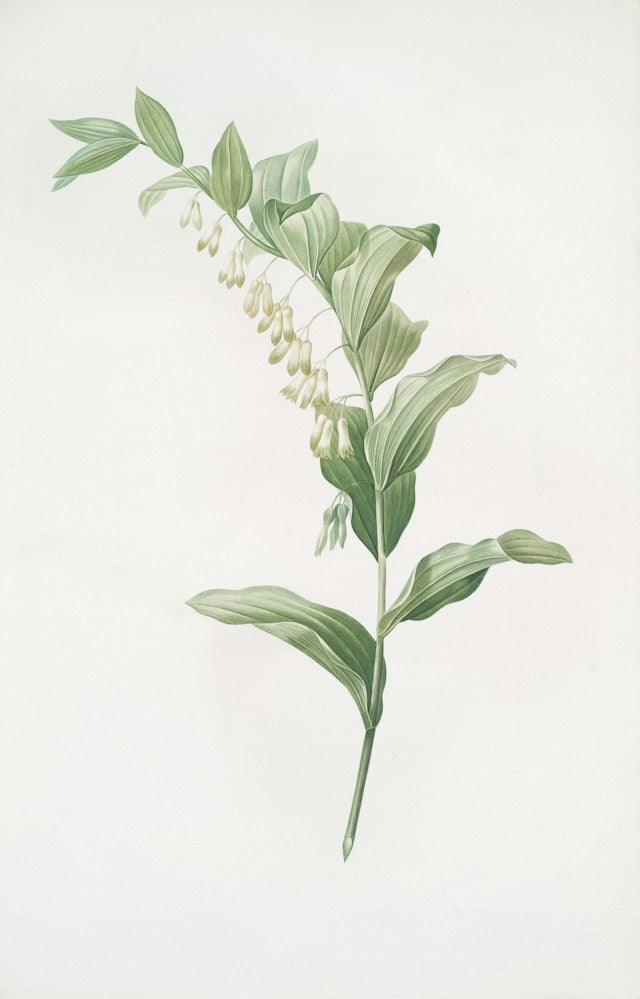
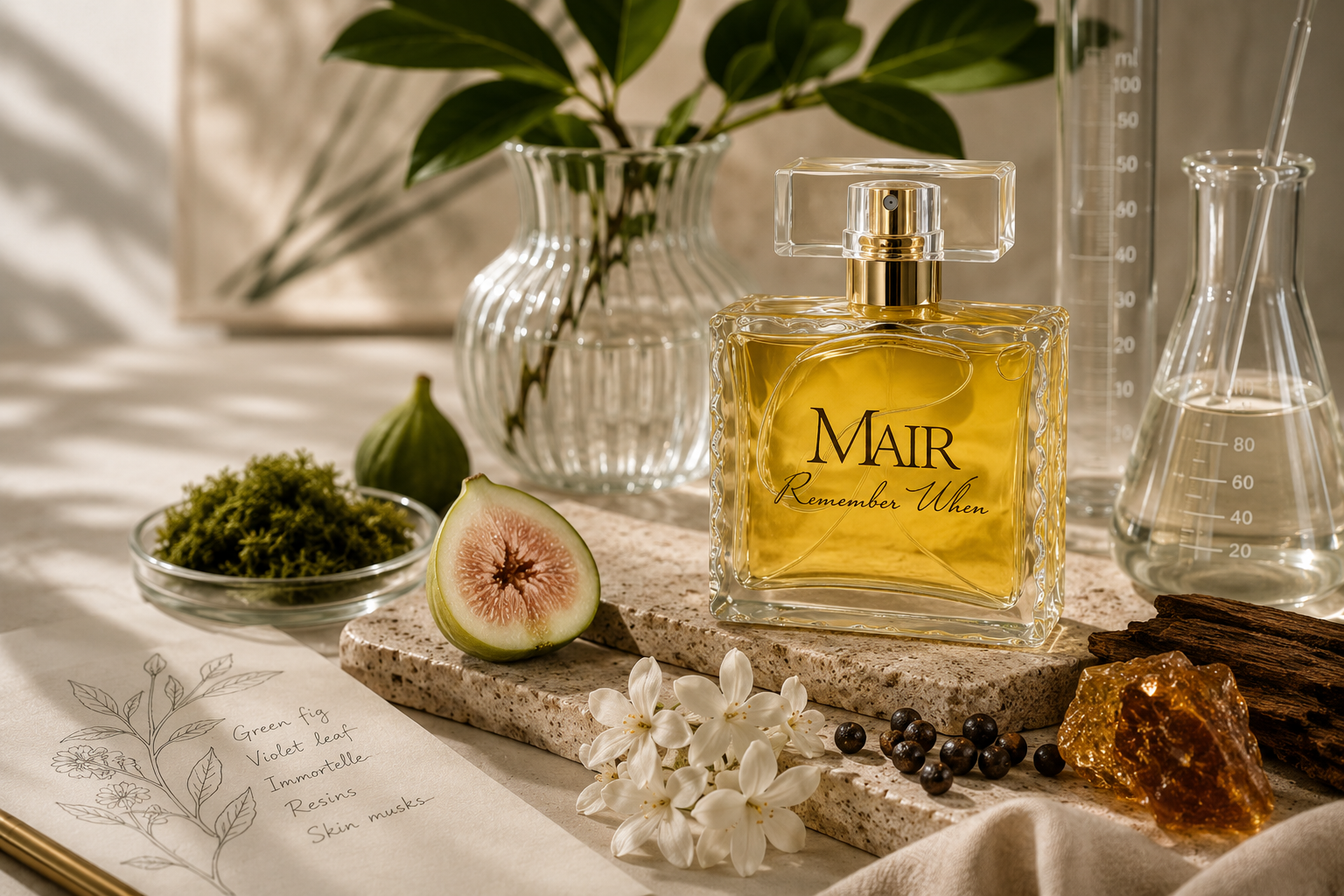
The first is a hard pivot toward the green and the raw. Wet stems, crushed leaves, unripe fig, violet leaf, the watery sharpness of tomato vine. These aren't new materials, but they're appearing with new intentionality. Not as top-note freshness that burns off in twenty minutes, but as the central emotional register of a fragrance. It's a scent language built around something living rather than something processed.
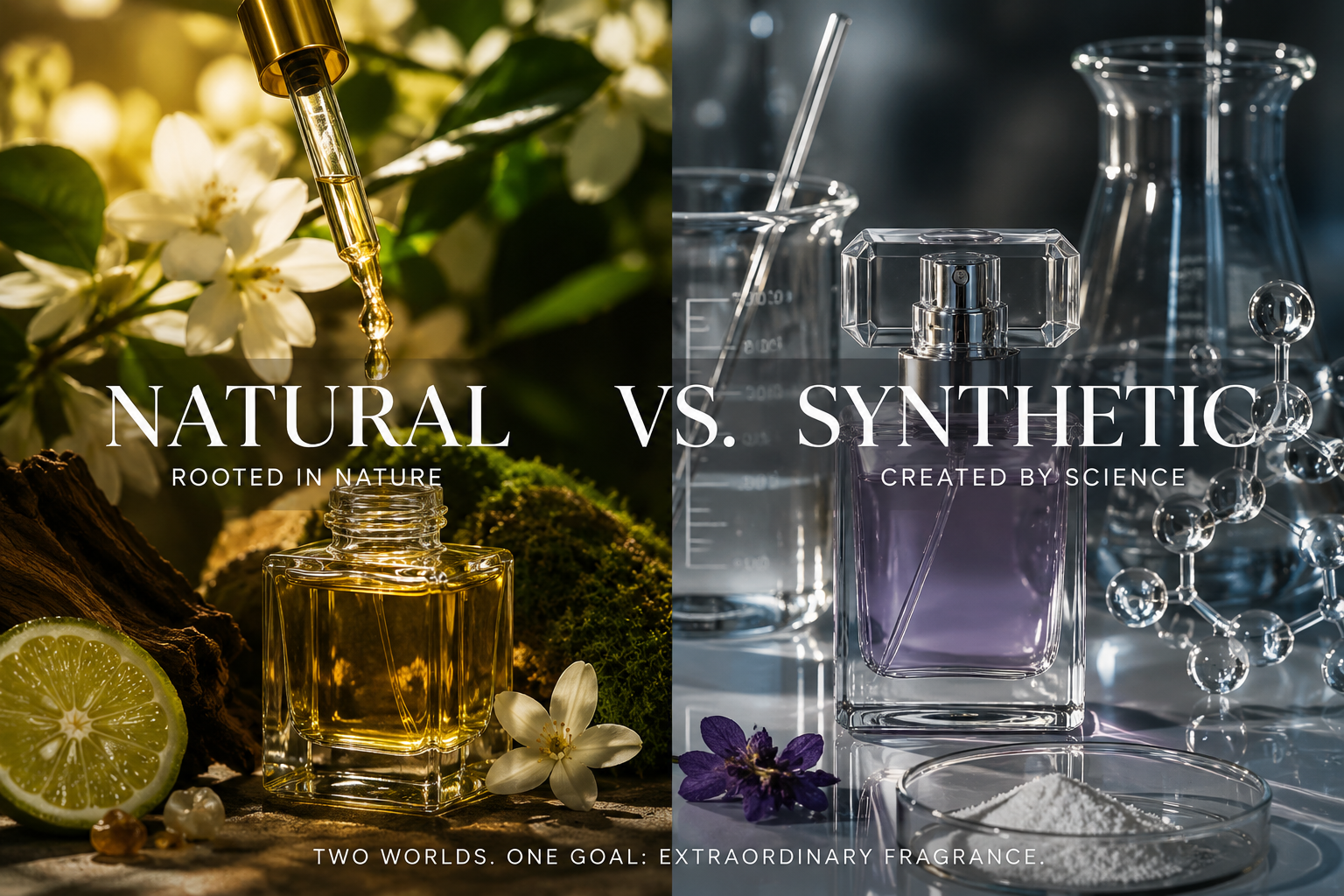
The second current is what some community members are calling "material transparency." Fragrances that smell like their ingredients rather than a finished concept. Single-origin orris. Uncut vetiver. Musks that behave like actual skin rather than clean laundry. This connects directly to a broader cultural appetite for legibility and honesty. Understanding how perfume is actually made has become part of what luxury consumers want, not just what it smells like but what it's made of and why.
The third current is the most interesting. A return to something medicinal and almost uncomfortable. Camphor, incense, immortelle's curry-edged warmth, artemisia's cold bitterness. Fragrances that don't immediately seduce, that ask something of you. This is the counter-reaction to ten years of maximum wearability and crowd-pleasing projection.

None of these currents are dominant yet. That's exactly the point. The moment before a trend consolidates is the most creatively rich, because the ingredients are present but the formula hasn't calcified.
What's also shifting is the audience. The people driving fragrance conversation now are younger, more ingredient-literate, and far more interested in provenance than previous generations. They'll look up where iris root is harvested. They'll read about the families growing jasmine in Grasse. They care about the supply chain behind the smell. That level of engagement doesn't just change what gets purchased. It changes what gets made.
The next fragrance era won't be defined by a single note. It will be defined by a question: does this smell like something real?
Why this moment matters for how you build your wardrobe now
Trend cycles aren't just interesting intellectually. They're practical intelligence. If you understand that we're in the late stage of one dominant aesthetic and the early stage of several competing alternatives, you make different choices. You stop chasing the thing every brand is currently amplifying and start paying attention to the quieter signals.
You also stop waiting for permission. The community arguing about the 2030s isn't waiting for a trend report. They're forming the taste that will eventually become the trend report.
At MAIR, this is the kind of thinking that shapes every decision from the brief stage. Fragrance as identity means building a wardrobe that reflects where you actually are, not where the market told you to be six months ago. It means choosing notes for what they say about you, not for what they say about the current era.
Intentional femininity isn't about being ahead of the trend. It's about being so clear on your own aesthetic that the trend cycle becomes background noise. The women who wear fragrance with real authority aren't chasing amberwood or waiting for whatever comes next. They already know what they reach for and why. That kind of certainty is the only thing that doesn't go out of style.
Not sure which MAIR fragrance is yours? The quiz takes 60 seconds.